
Generations 8 + 9 Pokémon Journey
Table of Contents:
- Introduction
- Hardware Options
- Connectivity between games
- Some new Generation Eight mechanics
- Some new Generation Nine mechanics
- My playthrough of Pokémon Sword
- My playthrough of Pokémon Scarlet
- My playthrough of Pokémon Legends: Z-A
- What is next?
Introduction
Generation eight and nine saw the release of eight different titles, all crafted for the first Nintendo Switch console. The generation eight main series duet of titles were Pokémon Sword and Pokémon Shield. These were followed by remakes of the original generation four pair of releases: Pokémon Brilliant Diamond and Pokémon Shining Pearl. The final generation eight title was Pokémon Legends: Arceus, which is set in ancient Sinnoh, the generation four region.
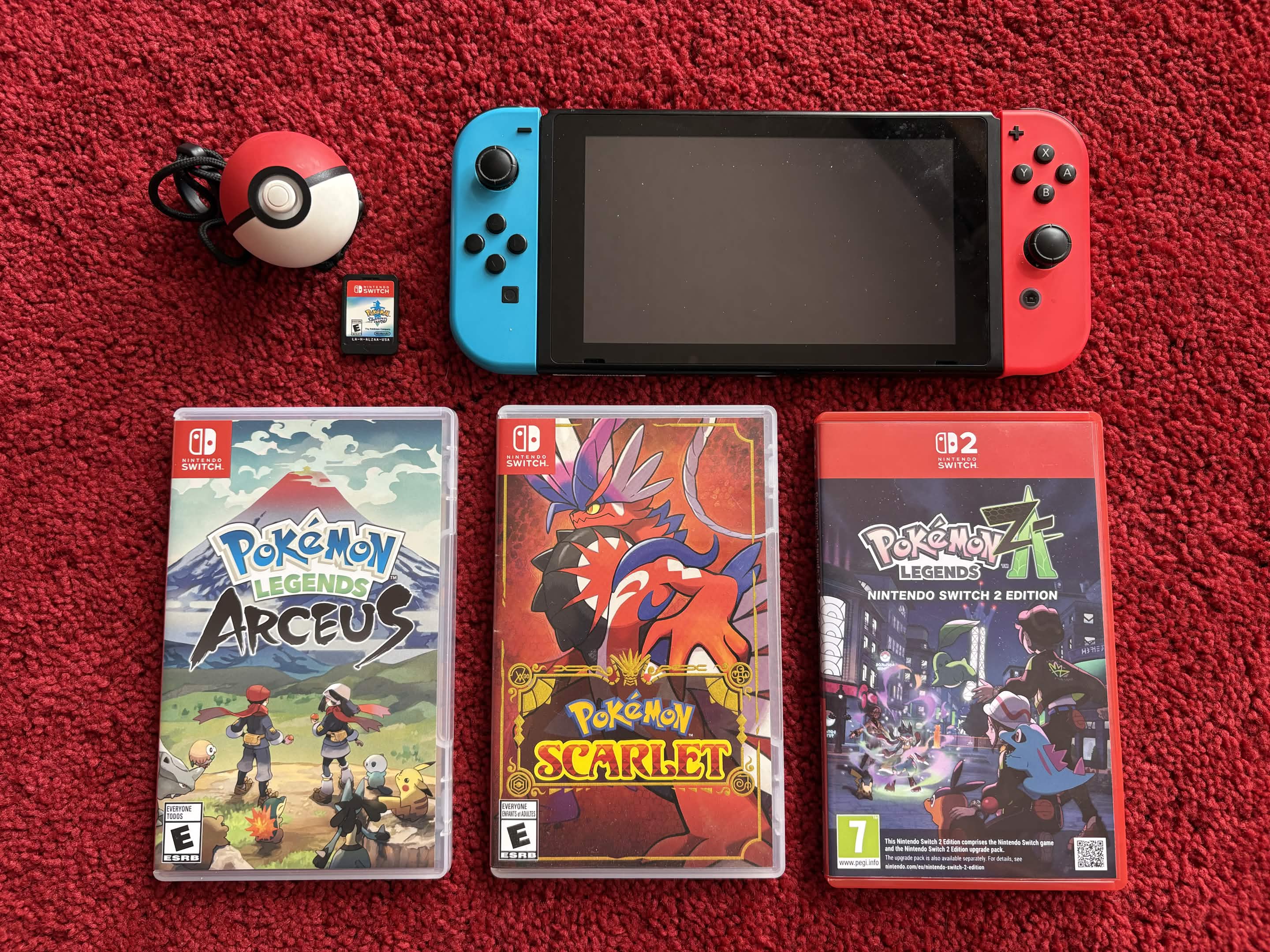
Generation nine saw four releases. As with every generation, there were a pair of main series titles: Pokémon Scarlet and Pokémon Violet. These were followed by Pokémon Legends: Z-A, which was set in Kalos, the generation six region. Toward the end of the generation, we saw the release of Pokémon Champions, which is a free-to-play competitive battle simulator in the tradition of the Stadium titles and Battle Revolution.
Rather than releasing enhanced editions of the main series titles, these generations instead incorporated downloadable content (DLC) add-on packages that could be purchased and downloaded digitally. Sword and Shield had two DLC releases: The Isle of Armor and The Crown Tundra. These took trainers to neighboring isles alongside generation eight's Galar region. Scarlet and Violet were also given two DLC releases: The Teal Mask and The Indigo Disk. The former sent trainers to Kitakami, a new region, and the latter sent trainers to Unova, the generation five region. Finally, Z-A was given one DLC package: Mega Dimension.
Hardware Options
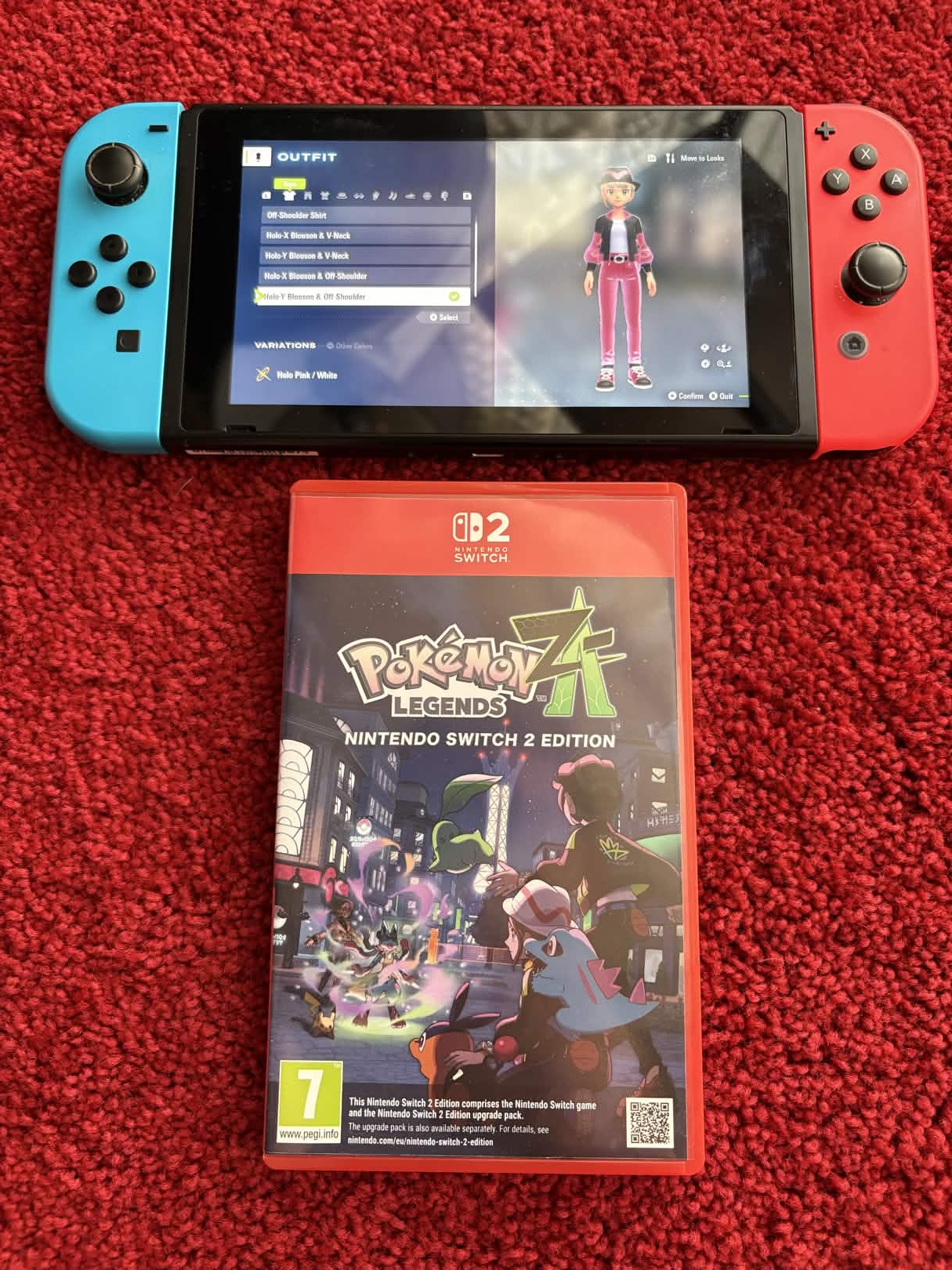
All generation eight and nine titles are compatible with all of the Nintendo Switch family of systems that have been released so far. These include the Switch, Switch Lite, Switch OLED model, and Switch 2. Pokémon Legends: Z-A was given an additional "Nintendo Switch 2 Edition" release, but the cartridge can still be played in the earlier Switch consoles. Pokémon Champions was also made available on the Nintendo Switch systems in addition to mobile devices as an app.
While the Switch consoles are not region locked, the ability to purchase DLC content is limited by region. For example, you can insert and play a Japanese cartridge copy of Scarlet on a North American Switch, but you cannot purchase either of the DLC additions, since the Switch can only access the North American eShop. There were some physical editions of games that were bundled together with the DLC using redemption codes, but you still must have the correct regional console to redeem these.
Sword and Shield make use of the Poké Ball Plus accessory from generation seven, but it cannot be used as a controller with these two generation eight titles. Pokémon can still be taken for walks, but they do not earn experience points, and the rewards are severely reduced from what they were when used with the Let's Go titles. Finally, if the Mew has not been redeemed from the accessory, it may be redeemed in these generation eight titles, but it will not be transferable to either Let's Go title since it will receive a generation eight stamp when moved into Pokémon Home.
Connectivity between games
For the first time since generations one and two, generations eight and nine are (mostly) backward compatible through Pokémon Home. This comes with some caveats: the Pokémon must appear in one of the receiving game's Pokédexes. This means that Pokémon introduced in generation nine cannot be transferred into Sword and Shield, but other Pokémon captured in Scarlet and Violet that were present in the Sword and Shield Pokédexes can complete that journey. This was similar to the connectivity between the generation one and two titles, where generation one Pokémon could be captured in generation two and then traded to generation one cartridges. The traditional trading system still exists in all of these Switch titles, but trading can only be conducted between same titles or within the same pair of titles. For example, copies of Z-A can trade with eachother but not with Scarlet and Violet, but Scarlet and Violet may trade with eachother.
Pokémon Legends: Z-A has its own special caveat regarding its Pokémon Home connectivity. Pokémon who visit cannot return to any of the previous Switch games, similar to how visits to generation seven on the 3DS made subsequent transferring back to generation six through Pokémon Bank impossible. When attempted to place a non-native Pokémon into Z-A for the first time, a blue icon will appear to warn the trainer about this limitation.
Pokémon Champions allows trainers to connect with Home and temporarily receive particular Pokémon to be used in competitive play. Pokémon cannot be transferred to other titles while they are being held in Champions. Trainers are able to recruit Pokémon natively within the game, but these are not transferable to Home.
Completing the Pokédexes
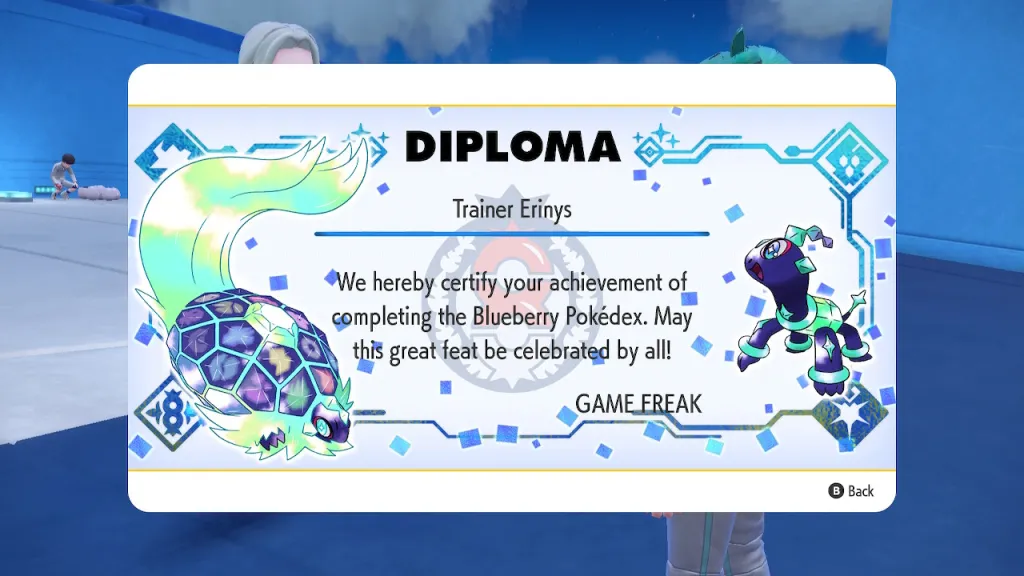
All four main series titles (Sword, Shield, Scarlet, Violet) are like generation seven in that they each have three regional Pokédexes but no National Pokédex. Each base game has a regional Pokédex, and each DLC adds on an additional regional Pokédex. Pokémon Legends: Z-A, similarly, begins with a regional Pokédex and acquires one more with its DLC add-on. The generation four remakes each have a regional Pokédex and a National Pokédex that unlocks in the postgame. This means that all generation one through four Pokémon (excluding later regional varieties) can be transferred to those games. Pokémon Legends: Arceus has a single regional Pokédex and no National Pokédex.
Due to the fact that most of these games do not have National Pokédexes, there are limitations to the Pokémon who may visit those titles. Sword and Shield were missing 234 of the 898 Pokémon who made up the National Pokédex when they were released. Similarly, Scarlet and Violet were missing 292 of the 1,025 Pokémon who made up the National Pokédex when they were released.
Migrating to Future Generations
At the time of this writing, generation ten has been teased, but there have been no announcements regarding Pokémon Home connectivity. Pokémon moved to Pokémon Home from the Switch titles will have a variety of origin marks and met locations. Pokémon from Sword and Shield were met in "the Galar region" with a Galar League origin mark. Pokémon from Arceus were met in "the Hisui region" with an Arceus origin mark. Pokémon from the generation four remakes were met in "the Sinnoh region" with a triangular Sinnoh origin mark (Pokémon from the original generation four titles can be differentiated since they have no origin mark). Pokémon from Scarlet and Violet were met in "the Paldea region" with a Terastal origin mark. Finally, today as I write this, Pokémon can be moved from Z-A to Home, where they are met in "the Kalos region" with a mega evolution origin mark.
Some new Generation Eight mechanics
Here are just a few of the "advances" made in generation eight. A full accounting can be found on Bulbapedia.
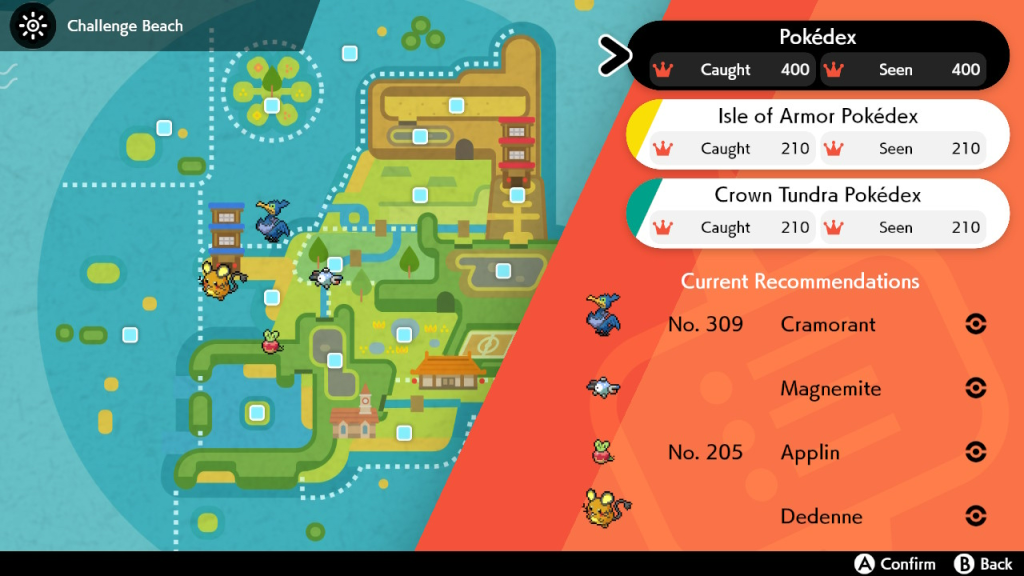
- You can weather wild areas. Alongside traditional routes and field areas, Sword and Shield introduced a sprawling open-world "Wild Area" to its base game, which was home to large numbers of Pokémon who would rotate based on the weather conditions in a given subarea. These included stronger roaming Pokémon who could only be encountered once daily. The native Rotom phone software includes recommendations on what to catch given the available weather conditions at a given moment. However, this cannot be fully relied upon, and trainers should still check each map location manually for desired weather conditions.
- Bigger is better with Dynamax and Gigantamax. Rather than continuing the use of the Mega Evolution mechanic from generation six, the Galar titles introduced Dynamax, which is another form of temporary battle enhancement that can be utilized strategically in certain settings. Each of the eight gyms served as Max-enabled spaces, and the Wild Area as well as some of the DLC areas were scattered with Max raid dens where a trainer could face wild Dynamax Pokémon with groups of four including NPCs, online participants, or local WiFi participants. Battling in a Max-enabled space allowed a trainer's deployed Pokémon to "Dynamax" when certain conditions were met in battle (without requiring a specific held item like a mega stone). Some eligible Pokémon could be captured with a marked "Gigantamax" emblem, which allowed them to sprout more powerful and visually elaborate forms. The first DLC add-on made available a "Max Soup" item that could be fed to eligible Pokémon to give them Gigantamaxability (yes, I made that word up). Pokémon with the ability to Gigantamax are given a mark that persists in Pokémon Home, and Dynamax and Gigantamax battles would later be implemented in Pokémon GO.
- New regions mean new regional forms. Generation eight continued the tradition established by generation seven, introducing new "Galarian" and "Hisuian" forms to certain Pokémon from earlier generations. Some of the new generation eight Pokémon were completely new evolutions of these regional forms.
- There are records and machines. Generation eight retained generation six and seven's infinite use of technical machines (TMs) but introduced technical records (TRs) that work the same way as TMs but are single-use (as TMs were in the "good old days").
- We don't have space for rocks. Generation eight jettisoned the mechanic that required certain Pokémon to be near an elemental rock on the field to achieve evolution. These were replaced with the use of evolution items to achieve the same forms. For example, in generations four through seven, Eevee needed to gain a level near a Mossy Rock to evolve into Leafeon, but beginning in generation eight the trainer simply needs to use a Leaf Stone on Eevee.
Some new Generation Nine mechanics
Generation nine introduced many changes and advances, so I will spend a little more time than usual on this section. As before, a full description can be found on Bulbapedia. I would like to warn that there are minor spoilers here.
- The world is open. The generation nine main series titles took the Wild Area concept from generation eight and expanded it to the entire game. There are no self-contained routes and no random encounters. Everything is seamless, and all encounters are visible in the field. There is no regular battle instance. The battle takes place wherever you are, which can be a little frustrating if you are on a slope and your Pokémon is forced to fall down after claiming victory. Z-A also features Lumiose City as an open-world environment, but it is much more contained and full of buildings, so it does not have the vastness that Scarlet and Violet portray.
- You can auto battle. Scarlet and Violet have a "Let's Go!" feature, where you can send your lead party Pokémon out to auto battle on the field. All of the Pokémon in the party gain experience, but they cannot evolve through level up if such a level is reached while auto battling. The game has programmed this function to avoid fainting shiny Pokémon opponents, so it can be easier to shiny farm if you leave an auto battler running for a long time and see what Pokémon are left standing.
- You must unlearn what you have learned. After 20 long years from when it was introducd in generation three, the game developers finally decided to retire the Move Relearner and added this functionality natively to the menu screen. Trainers can simply view their Pokémon's summary screen and choose to relearn moves they already learned previously, including moves learned through TM. Perhaps in an effort to counter the decreasing challenge that comes with such a system, the two Paldea titles revert to having limited-use TMs. These are no longer infinitely usable as they were in generations six through eight. However, the development team added a TM crafting machine to every Pokémon Center that allows previously encountered TMs to be created using Pokémon drops. Legends: Z-A kept the native relearner system and restored infinite-use TMs, indulging players with the best of both worlds.
- Enjoy items galore. Another upgrade to generation nine is the random generation of lots and lots (and I mean LOTS) of hidden items randomly along the landscape. Generation eight had some limited random generation of hidden items, but in all three of the generation nine titles they spawn constantly in the field, resulting in the collection of hundreds of Poké balls and medicines and evolution stones. In the Paldea games, the trainer must approach the sparkly item on the ground and press a button to pick it up, but in Legends: Z-A, the trainer can just walk near the shiny sparkle and the item will be retrieved automatically. Pokémon who are following on the field or using the Let's Go! function can also pick up the hidden items automatically.
- What's your Tera type? Scarlet and Violet introduced yet another new temporary Pokémon-boosting battle mechanic, following Mega Evolution and Dynamax. This system is called "Terastallization," and it allows Pokémon to have their type temporarily altered and their strength temporarily boosted for the remainder of a battle or until the Pokémon faints. Each Pokémon is assigned a "Tera Type" in addition to it's normal type(s), which influence what type it becomes when Terastallized. Elemental shards can be collected to change the Tera Type of any Pokémon. This added an entire layer of strategy, especially in player versus player content, since it could be difficult to predict what types and moves one would encounter. In place of Max Raid Dens in generation eight, the Paldea titles have a Tera Raid battle system, where up to three trainers or NPCs can accompany the protagonist in a raid battle against a wild Terastallized foe. The Terastallization system appears in the Pokémon Horizons anime series that was contemporary to the Paldea game releases.
- The games are paradoxical. Scarlet and Violet introduce Paradox Pokémon, which are Pokémon from the past (Scarlet exclusive) or future (Violet exclusive) who are reminiscent of already known Pokémon. It is posited that these are evolutionary ancestors or descendants of their modern counterparts. Some of these can only be captured by participating in Tera Raids.
- You get a legendary paradox. The legendary "box" Pokémon for Scarlet and Violet are also considered Paradox Pokémon, and they serve as your mount throughout your journey. Progressing through the game unlocks additional movement mechanics such as higher jumping, gliding, and eventually flying to reach hidden and rare items and locations. In the postgame, you have the option to dismount Koraidon and Miraidon and have them fight in your party, but you cannot send them to Pokémon Home. Do not worry, you will get to capture a second version of your game's exclusive legendary that is tradable.
- Breeding and sandwiches go together? The Paldea titles decided to skip the day care system for breeding Pokémon and added that functionality to their picnic component instead. You can set up a picnic in the field with your party, and your party members may breed and produce eggs, which can be recovered from the picnic basket. The picnic also includes a detailed (and frustrating) sandwich minigame that allows you to boost the chance that an egg will appear, and there are other sandwiches that boost shiny odds and temporarily raise the battle stats of your team. The picnic mechanic also lets you interact with your Pokémon and increase Friendship.
- There is no fishing in Paldea. Sadly, for the first time in 26 years, there is no fishing mechanic. You are able to throw your lead party Pokémon in their ball at enemies on the field to initiate battle or surprise them, and this is basically the way that you can initiate battles with swimming Pokémon prior to surfing or while surfing if the Pokémon are swimming too deep for you to surf into.
My playthrough of Pokémon Sword
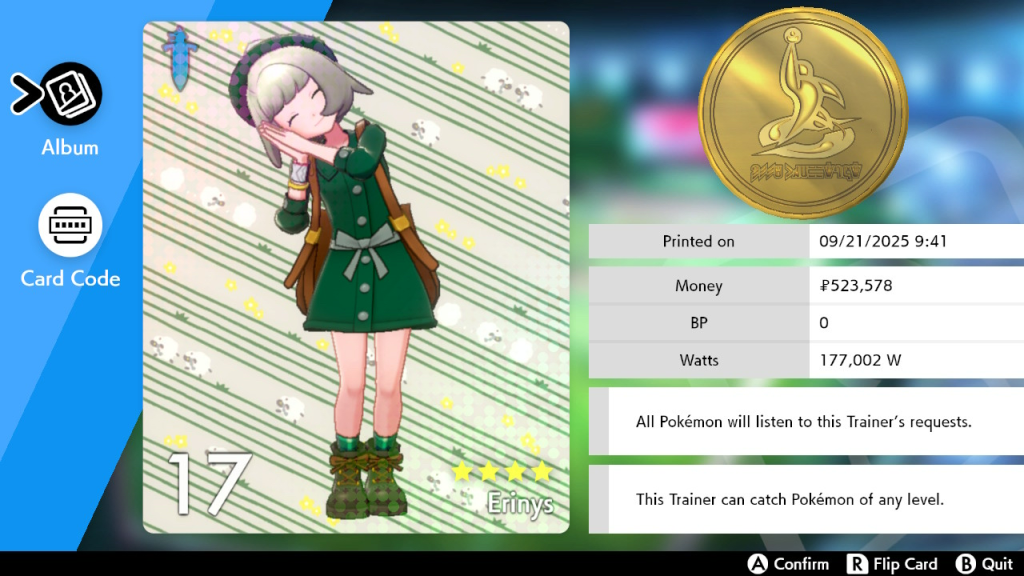
I absolutely adored this game. It is probably in my top three of all time. I had been anticipating it greatly since I had tested out the first 30ish minutes of the game when I was first getting interested in Pokémon. Even after nearly two years of that anticipation it did not disappoint. It was the first game that I completely played all the way through, completing every Pokédex and the entire endgame before moving on to generation nine. This was notable since until this time I had been only minimally completing each game to do my initial climb through the generations.
My Sword Champions
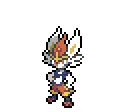
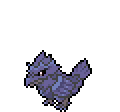
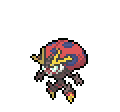
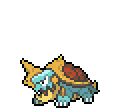
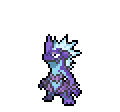
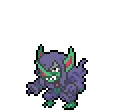
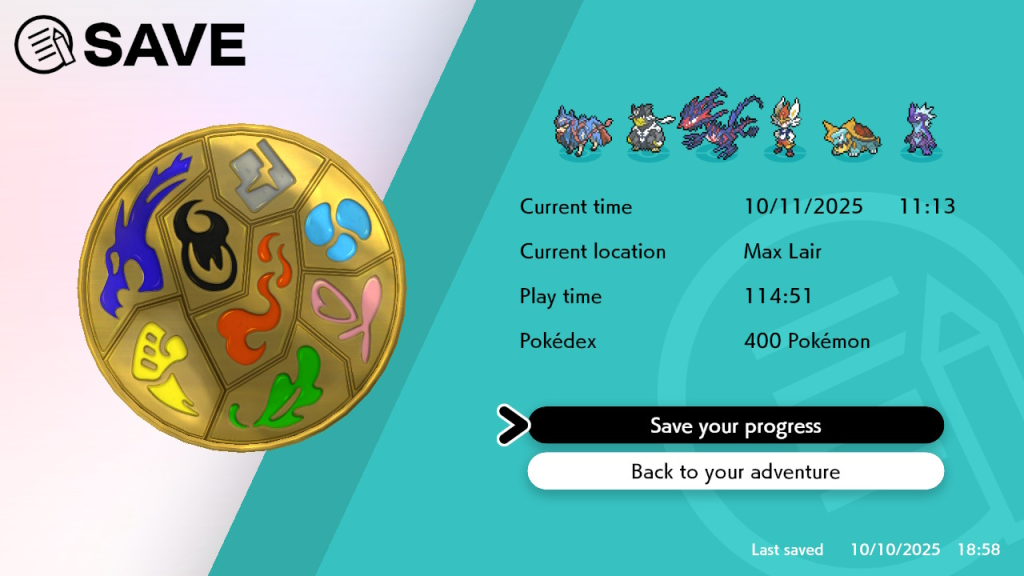
I could gush quite a bit about this game. I love the art style, and I love the menu design and the sound effects. The generation eight sprites are very cool, and I loved that the game combined some open-world elements with the traditional route system. It was like playing a retro Pokémon game with updated graphics and mechanics, and it was the first time I fully enjoyed the look of a 3-D rendered environment in the main series titles (beginning with generation six).
The only criticism I have is the artificial way that conflict was created towards the end of the base game to create drama and a "villain" to face and subdue. While I appreciate the aesthetics and gameplay of Sword more, when it comes to the story and cast of characters I appreciate what they did with Scarlet better, where there is no real antagonist. There are just friends trying to find themselves and figure things out. I am totally fine with there being no true bad guy and just a cozy journey.
My playthrough of Pokémon Scarlet
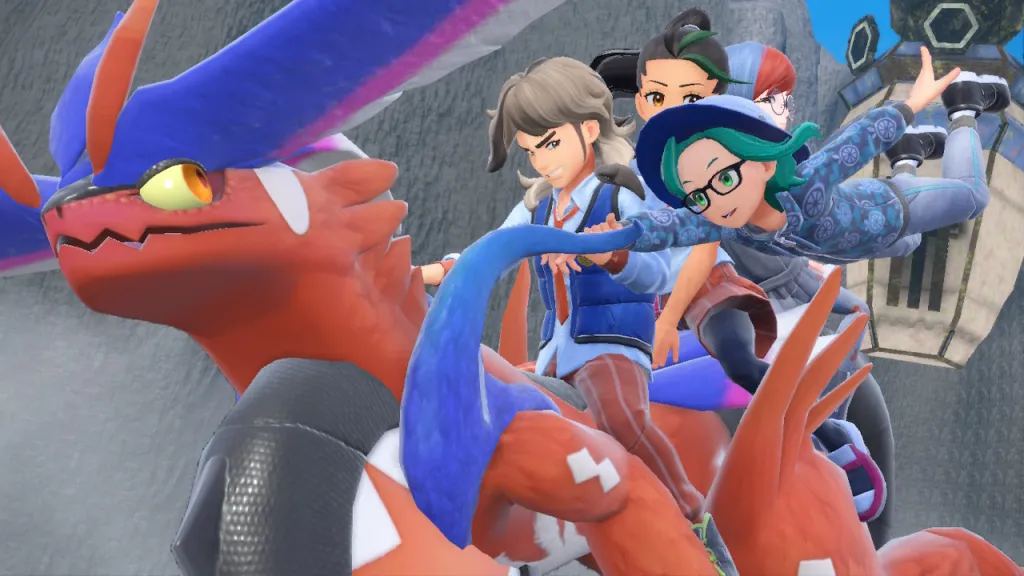
It took me some time to really get going in this game. Open world games are stressful for me because I feel a need to explore every nook and cranny of an area whenever I arrive, which I could not do since mobility was locked behind story upgrades to the mount. On top of this, the areas are just humungous. Sometimes it would take me a week in real time to fully explore an area before I would pick the story back up. This got a little tedious, so there were days where I picked up a Pokémon Yellow Nuzlocke that I had been working on instead.
My Scarlet Champions
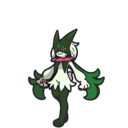
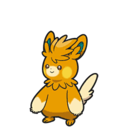
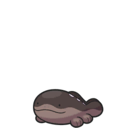
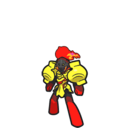
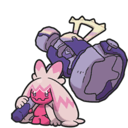
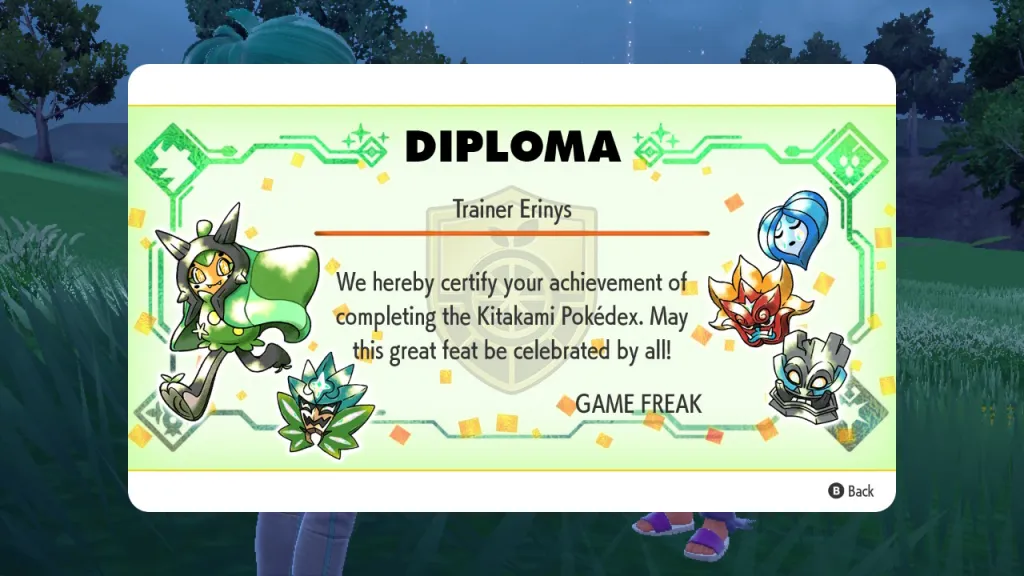
The main strength in this title is its storyline and large cast of characters. I loved that the traditional team of baddies were not bad at all and were just misfits trying to navigate their adolescence. I thought it was creative that there were three different types of challenges, rather than just the gym leader challenge, but it was pretty overwhelming having so many badges and places to go. I will say that it is no surprise that there were no main series sequels or enhanced editions in generation nine. There is just so much that is already here, including an ingenious postgame farming area in the Blueberry Academy. My favorite part of the game was The Teal Mask DLC, partially because the Kitakami area was much tighter and more navigable, but also because the Ogerpon story was just perfect. They quickly became my favorite Pokémon. Terapagos was also a quick favorite, especially after catching up on Pokémon Horizons.
I do have a lot of criticisms of this game, but I will not get too deeply into them here, since I think it was a good stepping stone and testing ground for what's to come, allowing me to give them a pass. The biggest offense is the lack of character customization, especially with clothing and outfits. One of the best things about playing the generation six through eight titles was my ability to customize a cute protagonist who I would enjoy playing. Another complaint I have is regarding the flying mechanic. The fact that the mount is automatically propelled makes it difficult to navigate, even with a lot of practice. I wish I had the ability to float in place so that I could propel myself manually. A final criticism is the overworld battle system. I appreciate that the battles happen in place, but I get really nitpicky about camera angles and what I can and cannot see. I like things to be a little more cinematic, and it was often difficult or impossible to position the camera in a pleasant way to enjoy watching all of the movements.
My playthrough of Pokémon Legends: Z-A
I found this game to be enjoyable, and I do like the overall look. It is a good return to form when it comes to character customization and aesthetics. I know a lot of players have been critical of the flatness of the background structures, but this does not bother me at all since I am not interested in realism or sacrificing performance and artistic energy to the background. The battle system is very different but innovative. I enjoy the "parcour" jump puzzles that add some new variety to gameplay.
My Z-A Team


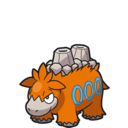

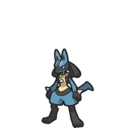
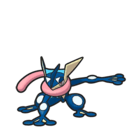
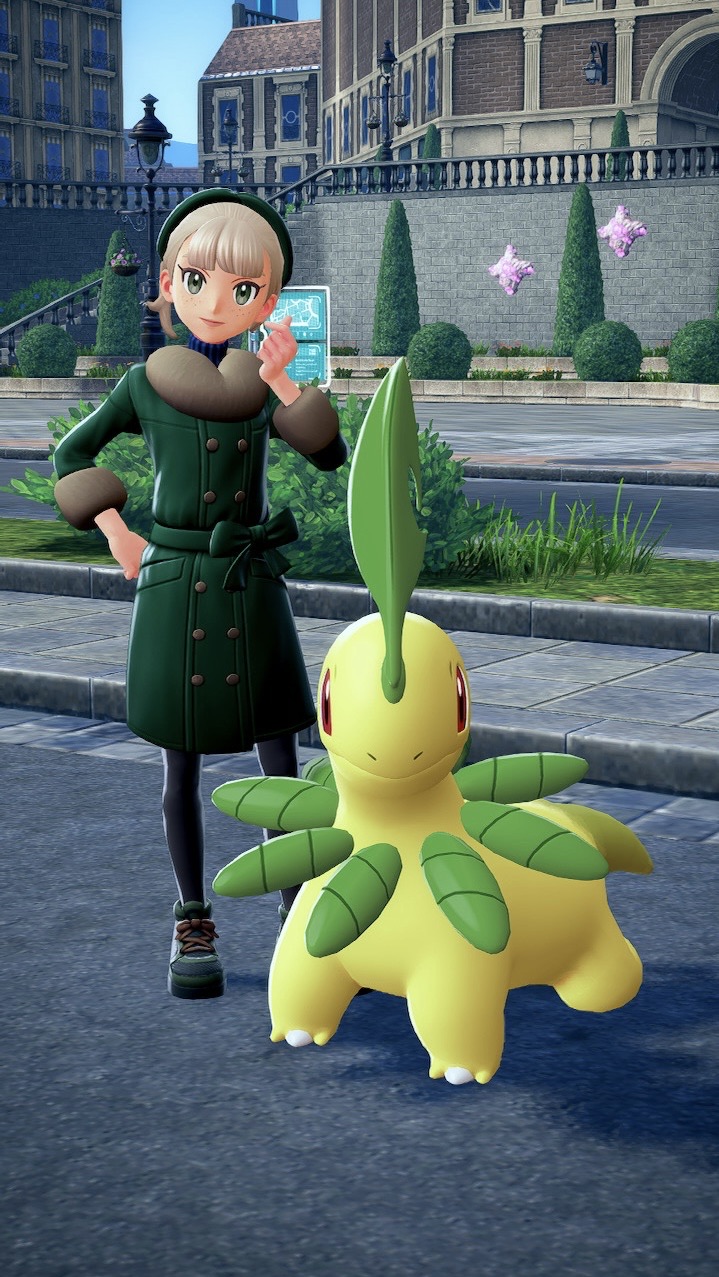
I thought it was nice that the game developers decided to build on an older battle mechanic, Mega Evolution, rather than trying to introduce something new (again) from scratch. I think between Mega Evolution, Dynamax, and Terastallization there is enough to be developed and built up even more, rather than trying to spin something new that accomplishes the same purpose. I loved seeing so many new mega evolution forms (including my new favorite, Meganium), and it's nice that a couple of them have already been incorporated into Pokémon GO as I type this.
My main beef with this game is that it felt very repetitive. There was this wash, rinse, repeat type of progression where I was required to participate in the Battle Royale to fill up a bar, which allowed me to face a challenger to advance to the next rank, which was then followed by some Rogue Mega Evolution raids, which were then followed by the next rank progression. It is ironic that I would find this tedious since I hardly have any problem sinking dozens of hours into one of the older games, which have far less to do. I suppose it comes from my familiarity and love for old-school JRPG style games. I do not want to give the impression that I found any of these mechanics to be bad. It was good to have something fresh, but I could only handle playing three or four hours at most in a day before I was ready to do something else.
July 20, 2026 Update
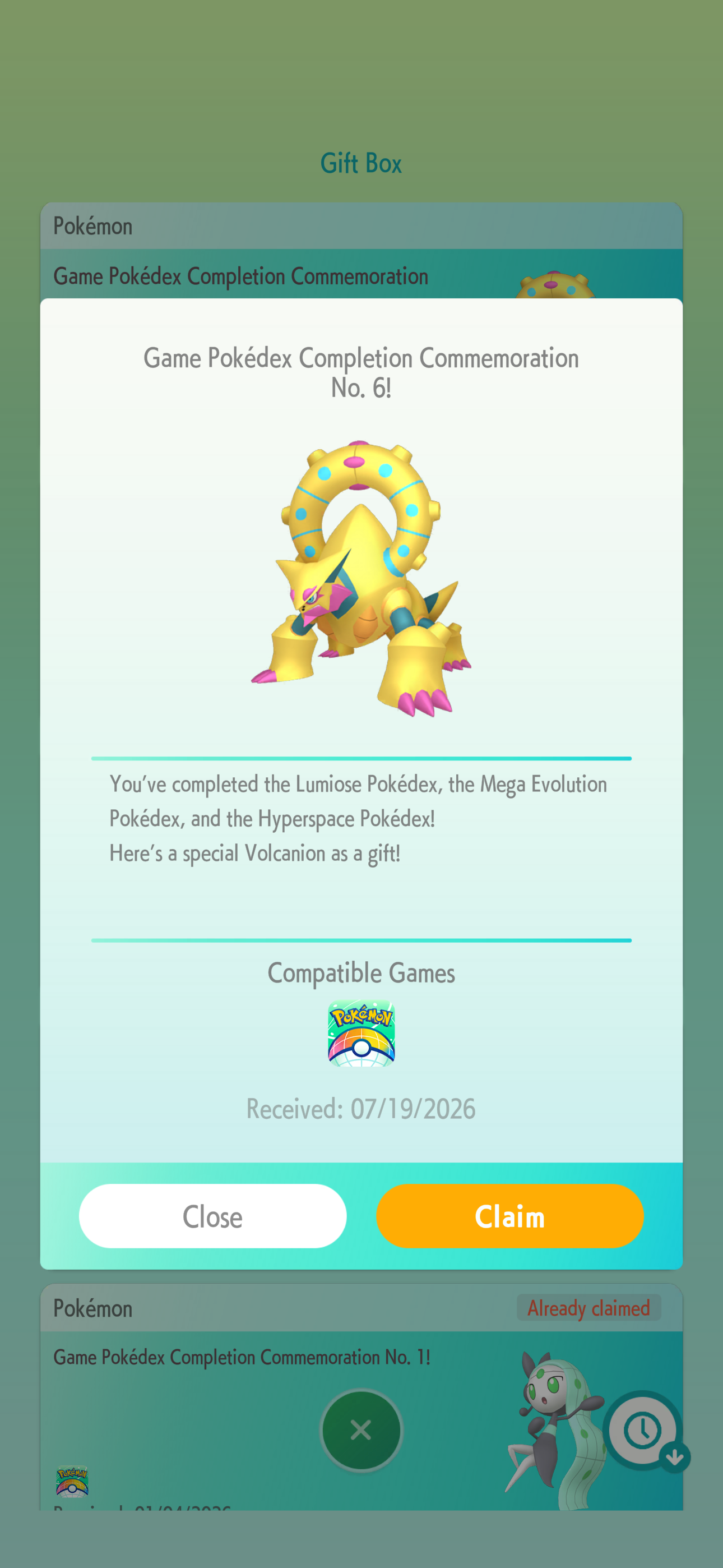
I wrote out the above text around the time that I completed the base game on March 17, 2026. It had only taken me two months to complete that, playing casually, but it has since taken four months for me to complete the Mega Dimension DLC and complete all three of the game's dexes in Pokémon Home. It took me 47 hours and 30 minutes to complete that base game over two months and four minutes shy of 120 hours to completely finish the entire game and those pokédexes. My gripe about the repetitiveness of the game was doubly or triply true for the Pokédex grind, since I was forced to spend 70+ hours spamming hyperspace zones. In all I entered 255 pockets of hyperspace before I earned enough points to capture all of the legendaries and mythicals. I probably would not have done all of this if there had not been a shiny reward waiting for me in Pokémon Home. The nice upside is that if I ever want to farm shiny Pokémon, I have plenty of hyperspace berries to do so for a long time.
What is next?
The next title I will play from these generations is Pokémon Legends: Arceus, which I basically skipped since I wanted to get caught up on generation nine. I want to complete the Hisui Pokédex in Pokémon Home so I can get my shiny Enamorus. I will eventually play Pokémon Shining Pearl so that I may also get the shiny Manaphy, but this may be farther in my future, since I want to focus on my Living Origin Dex and my Ribbon Master. Completing those will require me to play Pokémon Platinum, another Sinnoh title, which I will probably complete first. One day I will get around to playing Shield and Violet, but I really only need to play these to get the exclusive legendaries with my trainer name on them, which can wait until I get most of the rest of my Living Origin Dex completed.